Milk has always been more than just a daily beverage. It represents nutrition, purity, and trust in millions of households. From morning tea to children’s growing years, milk plays a central role in family health. Yet in recent years, concerns about adulteration, misinformation, and supply chain opacity have challenged consumer confidence in milk.
Today, rebuilding consumer confidence in milk is not just a marketing strategy — it is a responsibility. By focusing on nutrition, transparency, and digital accountability, the dairy industry can strengthen trust and secure long-term sustainability.
Why Consumer Confidence and Trust in Milk Matters
Consumer confidence directly influences purchasing decisions. According to reports from the Food and Agriculture Organization (FAO) and various dairy research publications, transparency in food supply chains significantly increases brand loyalty and repeat purchases.
When consumers trust milk quality, they:
- Buy consistently from the same dairy brand
- Recommend the product to others
- Pay premium prices for certified and traceable milk
- Engage positively with dairy businesses
Without trust, even nutritionally superior products struggle in the market.
The Nutritional Power of Milk
Milk remains one of the most complete natural foods available. Scientific literature published in journals such as the Journal of Dairy Science consistently highlights milk’s balanced nutrient profile.
Key Nutritional Benefits of Milk:
- High-quality protein for muscle growth
- Calcium and phosphorus for bone health
- Vitamin B12 for nerve function
- Potassium for heart health
- Essential fats for energy
For children, pregnant women, athletes, and the elderly, milk supports immunity, growth, and overall well-being. Reinforcing these scientifically proven benefits helps rebuild consumer confidence in milk through education rather than assumption.
The Trust Deficit: What Went Wrong?
Despite its benefits, the dairy sector has faced challenges:
- Reports of milk adulteration
- Inconsistent fat and SNF levels
- Lack of billing transparency
- Poor traceability from farm to consumer
Incidents like the FSSAI nationwide milk quality surveys have increased public scrutiny. Even when many dairies maintain high standards, isolated cases damage overall industry reputation.
In the digital era, one viral post can weaken years of brand-building.
Transparency: The Foundation of Modern Dairy Business
Transparency is no longer optional — it is expected.
Today’s consumers want to know:
- Where does the milk come from?
- How is it tested?
- What are the fat and SNF levels?
- Is the billing accurate?
- How fresh is the milk?
Providing clear answers strengthens consumer confidence in milk.
How Transparency Can Be Implemented
- Digital Milk Testing Records
Sharing fat and SNF data builds technical credibility. - Automated Billing Systems
Transparent calculations eliminate disputes. - Traceability Systems
Tracking milk from farmer to household increases accountability. - Regular Quality Certifications
Compliance with FSSAI and ISO standards reassures customers.
The Role of Technology in Rebuilding Consumer Confidence in Milk
Digital transformation is reshaping dairy management. ERP platforms and traceability systems are helping dairies eliminate manual errors and improve operational visibility.
Modern dairy software solutions allow:
- Real-time milk collection data
- Transparent billing and payment reports
- Quality parameter tracking
- Farmer performance monitoring
- Consumer-facing transparency dashboards
This digital transparency creates measurable trust.
You can use Liter app for digital transparency and trust : https://www.liter.live
Building a Transparent Milk Supply Chain
A strong milk supply chain requires coordination at every stage:
1. At the Farmer Level
- Hygienic milking practices
- Immediate chilling systems
- Quality testing before dispatch
2. At the Collection Center
- Automated fat testing
- Digital weighing scales
- Instant receipt generation
3. During Processing
- Standardized pasteurization
- Lab-certified quality checks
- Batch-level tracking
4. At Distribution
- Timely delivery
- Freshness assurance
- Clear labeling
When each step is documented digitally, consumer confidence in milk improves naturally.
Educating Consumers: A Strategic Approach
Transparency must be communicated clearly.
Dairy businesses should:
- Share quality reports on websites
- Publish lab certifications
- Use social media to explain testing processes
- Conduct awareness campaigns about milk nutrition
Consumers appreciate brands that educate rather than simply sell.
How Dairy Businesses Can Strengthen Consumer Confidence in Milk
Here is a practical roadmap:
✔ Implement digital milk collection software
✔ Maintain daily quality reports
✔ Offer transparent billing systems
✔ Encourage feedback and grievance resolution
✔ Maintain regulatory compliance
✔ Train staff in hygiene standards
Trust is built through consistency, not slogans.
The Business Impact of Consumer Trust
When consumer confidence in milk increases:
- Customer retention improves
- Operational disputes decrease
- Brand equity strengthens
- Profit margins grow
- Market expansion becomes easier
According to industry analyses, businesses that prioritize transparency experience higher long-term growth compared to those relying only on price competition.
The Future of Milk: Nutrition + Technology + Trust
The future of the dairy industry lies at the intersection of:
- Nutritional education
- Digital transparency
- Ethical sourcing
- Consumer engagement
Milk will always remain a nutritional cornerstone, but in the modern market, trust is the true differentiator.
Rebuilding consumer confidence in milk is not about advertising louder — it is about operating better, documenting accurately, and communicating openly.
Conclusion
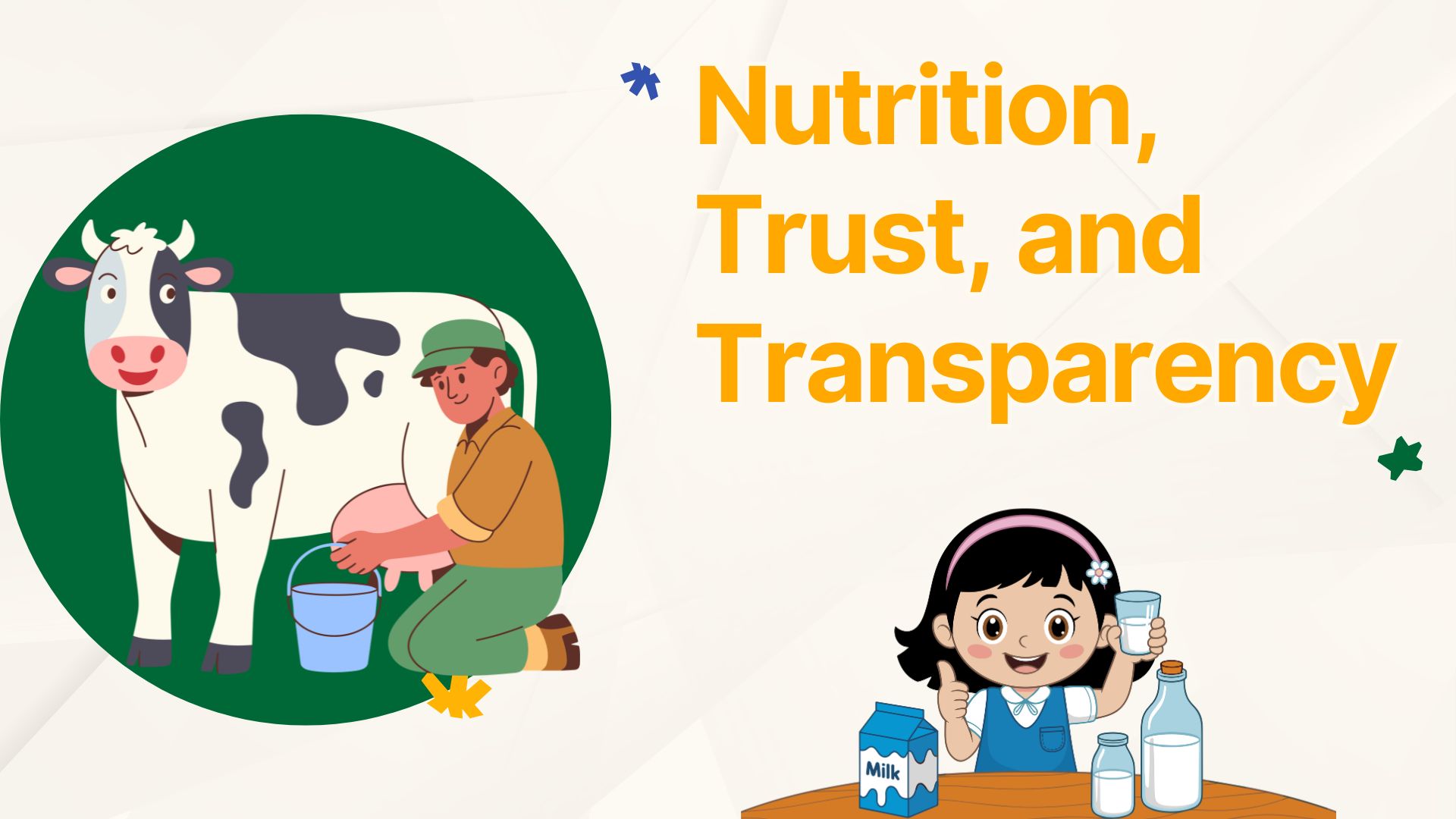
Milk has nourished generations. To ensure it continues to do so, the dairy industry must focus on three pillars: nutrition, trust, and transparency.
By adopting digital systems, ensuring traceability, maintaining strict quality standards, and educating consumers, dairies can restore and strengthen consumer confidence in milk.
Trust is not rebuilt overnight. But with consistent transparency and a commitment to nutrition, the dairy industry can secure a future where consumers choose milk not just out of habit — but out of confidence.