Dairy industry is a global success story. The country contributes over 23% of global milk production, making it the largest milk producer in the world (FAO, NDDB – https://www.fao.org).
However, despite this achievement, the Indian dairy sector now faces a structural challenge. While milk production in India continues to rise, farmer incomes, product differentiation, and global competitiveness have not grown at the same pace.
As a result, India’s dairy industry is standing at a crossroads—where volume leadership alone is no longer enough.
The Volume Paradox: High Milk Production, Low Farmer Income
India’s dairy ecosystem is dominated by smallholder farmers, most of whom own one to three animals. Although national milk output is high, productivity and profitability at the farm level remain constrained. For sustainable growth, India dairy industry value creation must focus on product differentiation, farmer income, and technology adoption.
Key structural challenges include:
- Low milk yield per animal compared to global benchmarks
- Rising costs of cattle feed and veterinary services
- Seasonal milk price volatility
- Limited access to value-based pricing mechanisms
According to IFCN and World Bank dairy studies (https://www.ifcnnetwork.org), farmer income growth depends more on value per litre than total milk volume.
This creates a clear paradox:
India produces more milk than any other country, yet many dairy farmers struggle with income stability.
Why Increasing Milk Volume Is No Longer Sustainable
Historically, India’s dairy policy focused on expanding production to meet domestic demand. However, this approach is now reaching its limits.
Key constraints include:
- Slowing growth in liquid milk consumption in urban markets
- Consumer resistance to frequent milk price increases
- Climate stress affecting fodder, water, and animal health
- Policy pressure to balance farmer welfare and food inflation
In contrast, global dairy leaders such as the European Union, New Zealand, and the United States have shifted toward value-added dairy products, exports, and nutrition-focused innovation (OECD – https://www.oecd.org).
What Value Creation Means for the Indian Dairy Industry
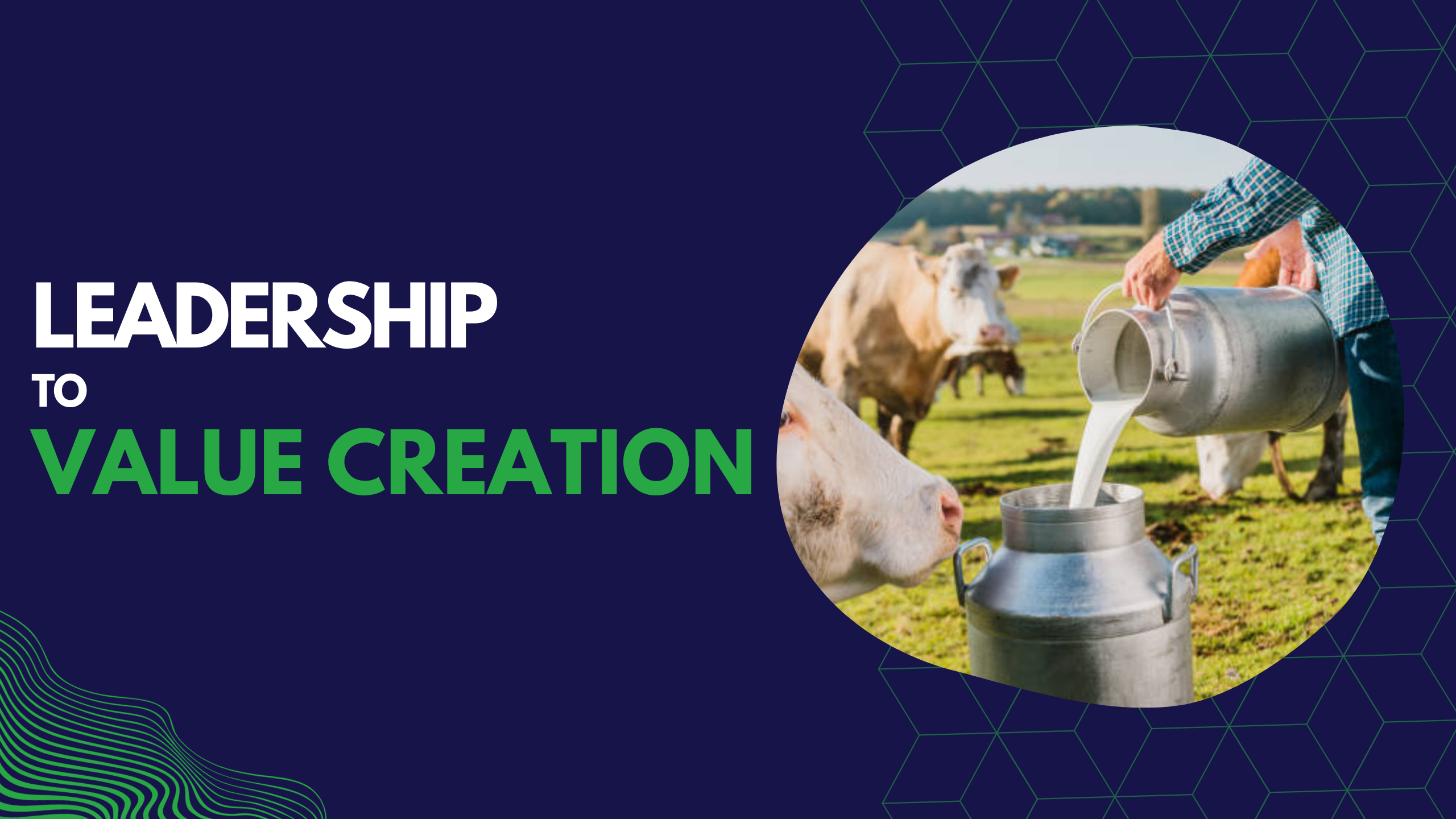
Shifting from volume to value does not mean reducing milk production. Instead, it means extracting higher economic, nutritional, and market value from every litre of milk.
Farmer-Level Value Creation
- Higher yield per animal through better genetics and feed
- Fat and SNF-based pricing transparency
- Predictable payments and reduced middle-layer inefficiencies
- Access to credit, insurance, and advisory services
Product-Level Value Creation
- Growth of value-added dairy products such as cheese, yogurt, ghee, whey, and paneer
- Fortified and functional dairy products targeting nutrition-conscious consumers
- Modern packaging of traditional dairy products
Product Differentiation: Moving Beyond Commodity Milk
Currently, most milk sold in India is treated as a commodity, with minimal differentiation. However, consumer preferences are changing rapidly.
Emerging dairy differentiation trends include:
- A2 milk
- Organic and residue-free milk
- High-protein and fortified dairy
- Region-specific traditional dairy products
Globally, differentiated dairy products command significantly higher margins because consumers pay for quality, trust, traceability, and health benefits (IDF – https://fil-idf.org).
For Indian dairy brands, differentiation is no longer optional—it is a competitive necessity.
India’s Global Dairy Competitiveness: Opportunity Beyond Borders
Despite being the world’s largest milk producer, India’s share in global dairy exports remains limited.
Key barriers include:
- Quality and consistency challenges
- Lack of end-to-end traceability
- High logistics and cold-chain costs
- Limited export-oriented product portfolio
However, India has strong export potential in:
- Ghee
- Skim milk powder (SMP)
- Casein and whey derivatives
- Ethnic and traditional dairy products
With better standards and branding, India can evolve from a domestic dairy giant into a selective global dairy supplier.
Technology as the Foundation of Dairy Value Creation
Digital transformation is a critical enabler of value creation across the dairy supply chain.
Technology-driven solutions include:
- Automated milk collection systems
- Real-time milk quality testing
- Farmer mobile applications
- Data-driven procurement and pricing
- End-to-end milk traceability platforms
According to NDDB and World Bank reports (https://www.nddb.coop), digital dairy systems improve efficiency, trust, and farmer participation.
From Volume Leadership to Value Leadership: The Way Forward
India does not need to abandon its position as the world’s largest milk producer. Instead, it must build value on top of volume.
Future success of the Indian dairy industry should be measured by:
- Farmer income growth
- Value per litre of milk
- Consumer trust and food safety
- Global market competitiveness
This strategic shift will determine whether India remains only a high-volume producer or becomes a high-value dairy economy.
Conclusion: A New Chapter for India’s Dairy Industry
Just as Operation Flood transformed India’s dairy sector in the 20th century, the 21st century demands a new transformation—focused on value creation, sustainability, technology, and nutrition. The crossroads is real.
The decisions taken today will shape farmer livelihoods, consumer confidence, and India’s global dairy position for decades to come.
The future depends on dairy industry value creation, turning high volume into high value for farmers and consumers alike.